Source Automatic Ice Bag Making Machine for Shopping, Garbage, and Fruit Bags
Find 30 automatic ice bag making machine listings from verified Chinese manufacturers. Compare specifications like speed, voltage, and sealing types for shopping, garbage, and fruit bag production needs.
Key considerations
Products List
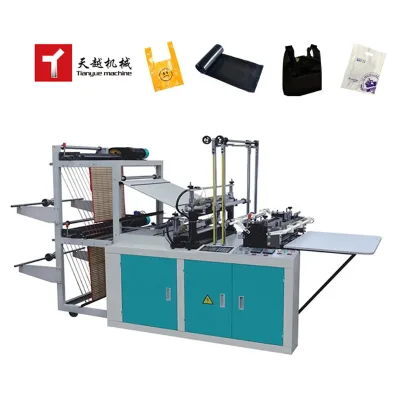


$35000.00 - $50000.00
Moq: 1


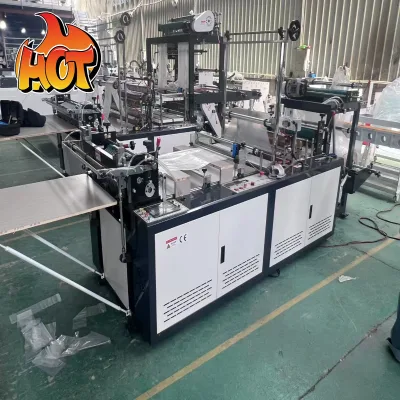
Comprehensive Sourcing Guide
Strategic Sourcing Guide for Automatic Plastic Bag Manufacturing Equipment
The global demand for sustainable and efficient packaging solutions has driven a significant shift in industrial procurement, particularly regarding automated machinery for plastic bag production. While the core keyword often includes "ice bag making machine," the industrial reality centers on versatile fully automatic systems capable of producing a wide array of bag types, including shopping bags, fruit bags, and specialized ice bags from materials like LDPE and HDPE. Procurement professionals must navigate a complex landscape of technical specifications, material compatibility, and supplier capabilities to ensure the acquisition of machinery that meets specific production needs without incurring hidden costs or compliance risks. This guide provides a disciplined approach to sourcing these critical assets, focusing on verified attributes and operational realities.
Technical Specifications and Machine Architecture
When evaluating automatic bag making machines, buyers must prioritize the mechanical architecture and processing capabilities. The core function of these units is producing plastic shopping bags and related variants through a continuous process of sealing and cutting. The machinery typically operates as a fully automatic system, integrating computerized controls to manage the production flow. A critical technical differentiator is the sealing and cutting mechanism, which often utilizes a hybrid approach of heat-sealing and cold-cutting to ensure clean edges and robust seals across various film thicknesses.
The production speed is a primary metric for operational efficiency. Observed data indicates a wide variance in maximum speeds, ranging from 50 meters per minute to as high as 250 pieces per minute, depending on the specific model and configuration. Buyers should verify the speed capabilities against their required output targets, noting that higher speeds may necessitate more robust power inputs. Power consumption for these units varies significantly, with observed ratings spanning from 1.1 kW to 5 kW. This variance suggests that the machine's power requirements are directly linked to its complexity, the number of processing lines, and the specific material being extruded or formed.
The physical footprint of the equipment is another essential consideration. Standard dimensions for high-capacity units are approximately 7000 mm in length, 1650 mm in width, and 1600 mm in height. This substantial size requires adequate factory floor space and specific utility hookups. Furthermore, the weight of the machinery, often around 1500 kg, impacts logistics planning and foundation requirements. The machine's core components, including motors, PLCs, gearboxes, and bearings, are integral to its longevity. The presence of a pressure vessel and pump within the system highlights the complexity of the extrusion or forming process, necessitating a supply chain capable of supporting these specific spare parts.
Material Compatibility and Processing Capabilities
The versatility of the machine is defined by its ability to handle diverse raw materials. While the keyword suggests a focus on ice bags, the machinery is designed to process a broad spectrum of plastics, including LDPE (Low-Density Polyethylene), HDPE (High-Density Polyethylene), and biodegradable films. This flexibility allows manufacturers to pivot production lines based on market demand for eco-friendly alternatives or traditional plastics. The suitable materials also extend to non-woven fabrics and paper, enabling the production of woven bags, garment bags, and filter bags.
The processing type is fundamentally a bag sealing and cutting operation, but the underlying mechanism often involves extrusion molding. Some advanced configurations feature multi-screw systems with deep screw channel structures and integral type extruders. These features are crucial for achieving consistent material flow and high-quality film formation. The feeding mode is typically multiple feed, allowing for the simultaneous processing of different material layers or the integration of recycled content. The layer configuration can be single or multi-layer, depending on the required strength and barrier properties of the final product.
The range of bag types supported by these machines is extensive. Beyond the standard shopping bag, the equipment can produce T-shirt bags, rice bags, cement bags, patch bags, and soft loop handle bags. The ability to produce these varied forms without major mechanical reconfiguration is a significant advantage for manufacturers seeking to diversify their product portfolio. The printing capabilities further enhance the machine's utility, supporting monochrome, three-color, and multicolor printing directly on the film during the production process. This integration reduces the need for secondary printing operations, streamlining the supply chain and reducing overall production time.
Compliance, Certification, and Safety Standards
Navigating the regulatory landscape is a critical component of the procurement process. While specific certification statuses like CE are often mentioned in the broader market, buyers must verify the actual compliance documentation provided by the supplier for each specific unit. The machinery must adhere to international safety standards, particularly regarding electrical safety and mechanical guarding. The observed voltage options, including 220 V, 380 V, and 110 V, indicate that the machine can be configured for different regional power grids, but the electrical components must meet the safety standards of the destination country.
Safety features are embedded in the design, with a focus on high safety levels and low noise levels. The computerized control system allows for remote monitoring and remote control capabilities, which can enhance operational safety by reducing the need for personnel to be in close proximity to moving parts during operation. The warranty period, typically observed at 2 years, serves as an indicator of the manufacturer's confidence in the product's durability and compliance with quality standards. However, buyers should scrutinize the terms of the warranty to understand what specific components are covered and what conditions might void the coverage.
Environmental compliance is increasingly important, with key selling points often highlighting eco-friendly operations and energy-saving features. The machinery is designed to minimize waste and energy consumption, aligning with global sustainability goals. Buyers should request detailed energy efficiency reports and verify that the machine's operation meets local environmental regulations regarding emissions and waste disposal. The "Made in China" origin is a common attribute, but the quality of manufacturing and adherence to international standards can vary significantly between suppliers. Therefore, third-party testing reports, such as machinery test reports, should be reviewed to validate performance claims before purchase.
Cost Drivers and Total Cost of Ownership
The pricing of automatic bag making machines is influenced by a complex array of factors, including the level of automation, material handling capabilities, and the complexity of the control systems. The observed price range is vast, spanning from $0.10 to $60,000, which reflects the difference between simple semi-automatic units and fully integrated, high-speed production lines. This wide range underscores the importance of defining clear requirements before engaging with suppliers to avoid over-specifying or under-specifying the equipment.
The minimum order quantity (MOQ) is another significant cost driver, with observed ranges from 1 to 50,000 units. For single-item purchases, the MOQ is typically 1, but bulk orders may offer economies of scale. Buyers must consider the total cost of ownership, which includes not only the purchase price but also installation, maintenance, energy consumption, and spare parts. The power consumption, ranging from 1.1 kW to 5 kW, directly impacts operational costs, especially in high-volume production environments. Energy-saving features can mitigate these costs over the machine's lifespan, which is often cited as long due to high rigidity and durable core components.
Logistics and packaging also contribute to the overall cost. The standard packaging for these machines is a wooden case, designed to protect the equipment during international shipping. The volume of the packaging, often standardized at 8CBM, affects freight charges and handling requirements. Buyers should factor in the cost of importing the machine, including duties, taxes, and customs clearance fees. The place of origin, typically Zhejiang, China, is a major manufacturing hub, but the distance to the buyer's location will influence lead times and shipping costs. Understanding these variables is essential for accurate budgeting and financial planning.
Supplier Evaluation and After-Sales Support
Selecting the right supplier is as critical as selecting the right machine. The brand name "TIANYUE" is observed in the market, but buyers should not limit their search to a single supplier. Instead, they should evaluate suppliers based on their technical expertise, production capacity, and after-sales service capabilities. The availability of overseas service is a key differentiator, as it ensures that technical support is accessible regardless of the buyer's location. This service often includes on-site installation, training, and troubleshooting.
After-sales support extends beyond the initial warranty period. The observed after-warranty service options include online support and video technical support, which are essential for resolving issues quickly without the need for costly travel. The warranty period of 2 years is a standard benchmark, but buyers should negotiate terms that cover critical components like the motor, PLC, and gearbox. The availability of spare parts is crucial for minimizing downtime. Suppliers should demonstrate a robust supply chain for core components to ensure that replacements are available when needed.
Supplier reputation and track record should be verified through references and case studies. Buyers should inquire about the supplier's experience with similar projects and their ability to handle customization requests. The customization availability is a significant advantage, allowing buyers to tailor the machine to their specific production needs. However, customization can increase lead times and costs, so a clear agreement on specifications and timelines is necessary. The supplier's ability to provide machinery test reports and certification documents is also a strong indicator of their reliability and commitment to quality.
Quality Control and Long-Term Procurement Strategy
Implementing a rigorous quality control process is essential for ensuring the reliability of the purchased machinery. Buyers should request detailed inspection reports and verify that the machine meets the specified dimensions, power ratings, and performance metrics. The production of high-quality bags depends on the precision of the sealing and cutting mechanisms, as well as the stability of the extrusion process. Regular maintenance and calibration are required to maintain these standards over time.
Long-term procurement considerations involve building a strategic relationship with the supplier. This includes establishing clear communication channels, agreeing on service level agreements, and planning for future upgrades or expansions. The high productivity and flexibility of the machine make it a valuable asset for long-term growth, but it requires a commitment to ongoing maintenance and support. Buyers should also consider the environmental impact of their operations and choose suppliers who prioritize sustainability in their manufacturing processes.
In conclusion, sourcing an automatic bag making machine requires a comprehensive understanding of technical specifications, material compatibility, compliance requirements, and supplier capabilities. By focusing on verified facts and avoiding unverified claims, buyers can make informed decisions that align with their production goals and budget constraints. The investment in high-quality machinery, supported by reliable after-sales service, will ensure operational efficiency and long-term success in the competitive packaging market.
FAQs
What materials can the automatic ice bag making machine process?
The machine processes LDPE, HDPE, biodegradable film, paper, and non-woven materials. It supports single-layer configurations and can produce various bag types like shopping bags, fruit bags, and ice bags using heat-sealing and cold-cutting methods.
How fast can the fully automatic plastic bag making machine operate?
Maximum speeds range from 50 to 250 pieces per minute depending on the model. Specific configurations include speeds of 60, 80, 100, 120, 140, 160, 180, 220, and 240 pieces per minute to match different production requirements.
Which core components are included in the bag making machinery?
Core components include a motor, pressure vessel, pump, PLC, gear, bearing, engine, and gearbox. These integral parts ensure high rigidity, long service life, and reliable performance for continuous bag sealing and cutting operations.
Can the machine handle multicolor printing on plastic bags?
Yes, the machine supports monochrome, three-color, and multicolor printing directly during production. This capability allows for efficient branding on shopping bags, T-shirt bags, and other variants without needing secondary printing steps.
What is the warranty period for the automatic bag making machine?
The standard warranty period is 2 years for the machinery. After the warranty expires, buyers can access online support and video technical support to troubleshoot issues with the computerized control system.
How much space does the fully automatic plastic bag machine require?
Standard dimensions are 7000 mm in length, 1650 mm in width, and 1600 mm in height. The unit weighs approximately 1500 kg and requires a factory floor capable of supporting this substantial footprint.
What voltage options are available for the plastic bag production equipment?
The machine operates on 220 V, 380 V, 110 V, or 380V/220V configurations. Power consumption varies between 1.1 kW and 5 kW depending on the specific model and processing speed selected for the production line.